Last Reviewed: July 2026
Understanding Foreclosure in Iowa
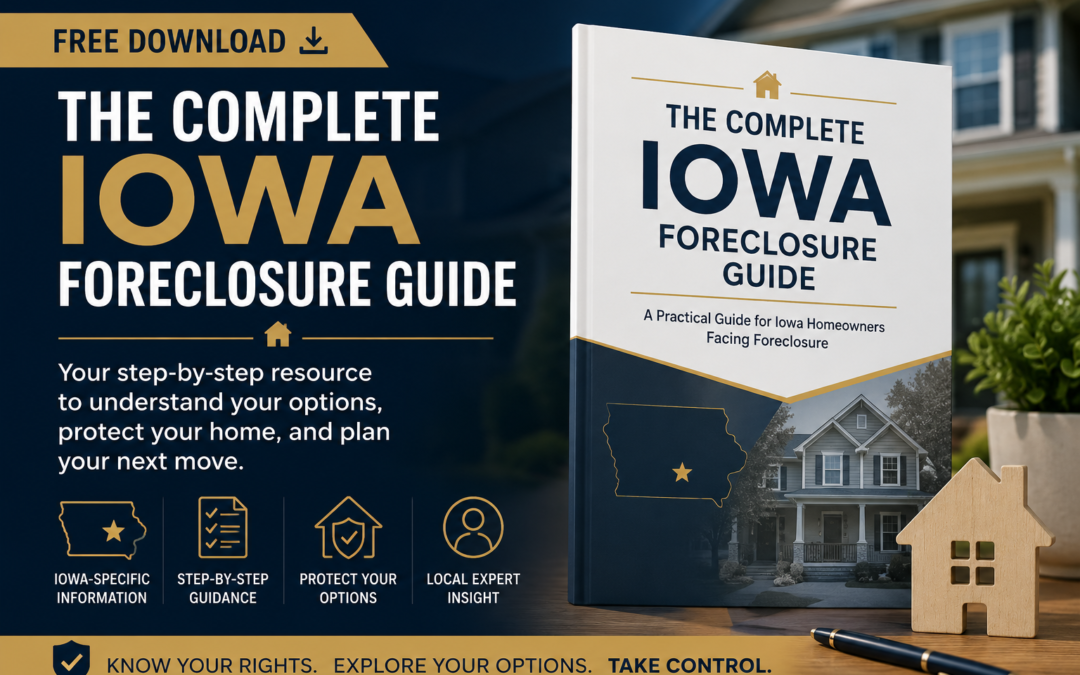
Facing foreclosure can feel overwhelming, but understanding the process is one of the most important steps you can take. Foreclosure is not a single event—it is a legal process that unfolds over time, and depending on your circumstances, you may have opportunities to explore solutions before the process is complete.
This guide provides an overview of how foreclosure works in Iowa, explains common terminology, discusses homeowner options, and offers educational resources to help you better understand the road ahead.
What Is Foreclosure?
Foreclosure is the legal process a lender may use to recover the balance owed on a mortgage when a borrower is unable to meet the terms of the loan agreement.
In Iowa, foreclosure is generally handled through the court system, which means the lender must typically follow specific legal procedures before a property can be sold.
While the process can be stressful, learning how it works can help you make informed decisions about your next steps.
Why Foreclosure Happens
There are many reasons homeowners experience financial hardship.
Some of the most common include:
- Job loss or reduced income
- Unexpected medical expenses
- Divorce or separation
- Death of a family member
- Increased living expenses
- Business setbacks
- Long-term financial hardship
No two situations are exactly alike, which is why understanding your options is so important.
Understanding the Iowa Foreclosure Process
Although every foreclosure is different, the process generally follows several stages.
These often include:
- Missed mortgage payments
- Notice of Right to Cure
- Foreclosure lawsuit
- Court proceedings
- Foreclosure judgment
- Sheriff’s Sale
Learning where you are in the process can help you determine what options may still be available.
Common Foreclosure Terms
As you learn about foreclosure, you’ll likely encounter unfamiliar terms.
Some of the most common include:
- Mortgage
- Mortgage Servicer
- Default
- Equity
- Judicial Foreclosure
- Sheriff’s Sale
- Loan Modification
- Forbearance
- Reinstatement
- Deficiency Judgment
Understanding these terms can make conversations with your mortgage servicer, attorney, housing counselor, or licensed REALTOR® easier to follow.
Homeowner Options
Depending on your circumstances, there may be several options worth exploring.
These may include:
- Working with your mortgage servicer
- Loan modification
- Repayment plans
- Forbearance
- Selling your home before foreclosure
- Seeking legal advice
- Exploring available assistance programs
The options available depend on your individual circumstances, financial situation, and the stage of the foreclosure process.
Why Acting Early Matters
Many homeowners wait too long before seeking information.
Unfortunately, as foreclosure progresses, additional costs may continue to accumulate, including:
- Interest
- Late fees
- Attorney fees
- Court costs
- Other foreclosure-related expenses
Taking action early may provide greater flexibility and more time to evaluate your available options.
Helpful Resources
If you’re looking for additional information, these resources may help:
- Homeowner Options When Facing Foreclosure
- Selling Before Foreclosure: What Iowa Homeowners Should Know
- Working With a REALTOR® During Foreclosure
- Iowa Foreclosure Laws
- Questions to Ask Your Mortgage Servicer
- Foreclosure Document Checklist
- Local Iowa Resources
Remember You’re Not Alone
Many homeowners experience financial hardship at some point in their lives. While foreclosure can feel overwhelming, understanding the process and learning about your available options can help you make informed decisions.
Whether you’re working with your mortgage servicer, consulting an attorney, speaking with a HUD-approved housing counselor, or considering selling your home, gathering accurate information is often the first step toward moving forward.
Disclaimer
The information provided in this guide is for general educational purposes only and is not intended as legal, financial, tax, or professional advice. Iowa foreclosure laws, court procedures, and homeowner rights may change over time, and every foreclosure situation is unique.
Align Real Estate does not provide legal advice. If you have questions regarding your legal rights, foreclosure proceedings, or court deadlines, consult a licensed Iowa attorney. If you have questions about your mortgage or available loss mitigation options, contact your mortgage servicer or a HUD-approved housing counselor.
While we strive to keep this information accurate and up to date, Align Real Estate makes no warranties regarding the completeness, accuracy, or timeliness of the information provided.